Buying Land in Bastrop County: Access, Easements & Private Roads
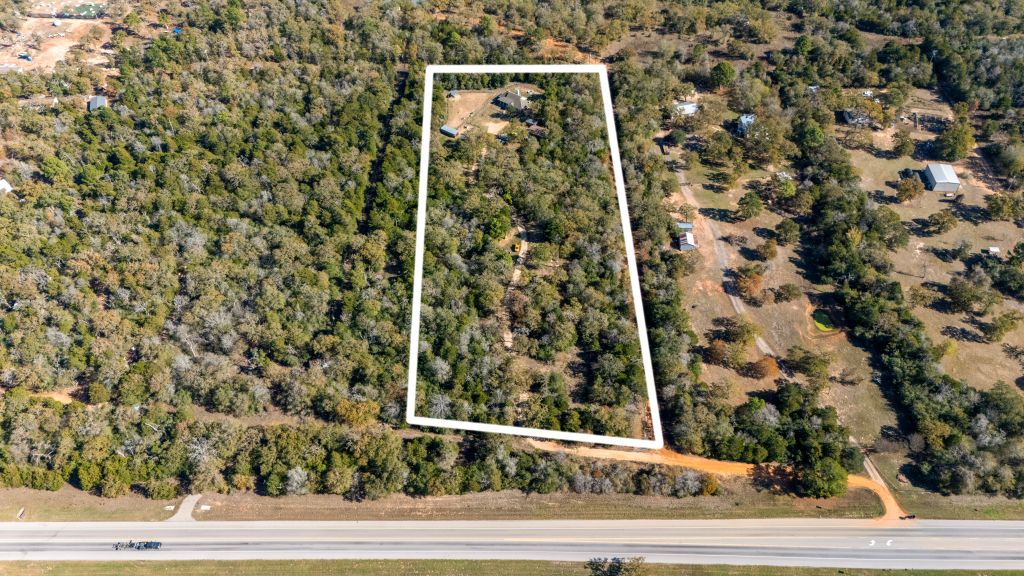
A gate, gravel drive or mailing address may show how people reach a tract, but it does not answer every question about recorded access, road maintenance or driveway approval. Before relying on a route into Bastrop County land, the records and the conditions on the ground should tell the same story.
Last reviewed August 27, 2026. This guide is a focused companion to my broader Bastrop County land and acreage buyer’s guide.
When I help a buyer evaluate land, we begin with one practical question: What do you want the property to do for you? From there, I help organize the tract-specific due diligence that could affect that plan, including access, title and survey work, restrictions, utilities, water and wastewater options, floodplain and drainage, taxes or agricultural valuation, financing, and the feasibility and cost of future improvements. Every tract is different, so I keep the records, open questions, professional contacts, written answers and contract deadlines organized while the appropriate experts confirm details within their scope. My goal is to help you understand what is known, what still needs to be verified and what could affect your intended use before you move forward.
Start With Four Access Questions
1. What recorded document supports access to the tract?
Physical access and recorded access are different questions. A driveway, gate, tire path, address, map line or history of use does not by itself explain the legal rights attached to a property.
Start by gathering the current deed, title commitment, recorded plat, survey and any recorded access easement or joint-use agreement. The Bastrop County Clerk maintains official public land records, restrictions and subdivision plats. A title company can identify recorded matters affecting title, while a Texas real-estate attorney can explain what a document means for the exact tract.
The Texas Department of Insurance explains that a title commitment lists potential issues, exclusions and exceptions that should be read carefully. TDI also identifies a lack of a right of access as a possible title defect. That makes the title review important; it does not allow a buyer, seller or REALTOR® to interpret an easement from a map or listing alone.
2. Who owns and maintains the road or shared route?
“Road shown on the plat” and “county-maintained road” are not interchangeable. Bastrop County’s current subdivision regulations state that plat approval or recording alone does not make a road eligible for County maintenance; Commissioners Court must accept it.
For a private road or shared route, locate the recorded agreement and current maintenance information. Ask who may use the route, who handles routine maintenance and drainage, how costs are allocated, and whether gates, turnarounds, width, surface or vehicle use are addressed. If the language, parties or obligations are unclear, have a qualified attorney review the actual documents.
3. Which authority controls the driveway connection?
The road at the property line determines where the driveway question begins. According to the Bastrop County Driveway & Culvert page, a County permit is required to construct or modify a driveway on a county-maintained road or a road maintained by WCID #2. The County directs state-highway connections to TxDOT and says it does not issue driveway permits on privately maintained roads or other roads it does not maintain, except WCID #2.
For a state highway, TxDOT’s driveway-permit guidance directs the owner or an authorized representative to submit Form 1058 to the local TxDOT office. Work in the highway right of way should not begin until the applicant has received a fully executed permit and given the required notice. Bastrop County’s current driveway standards also address location, sight distance, drainage, design and construction details within the County’s scope.
4. Do the survey, title record, plat and ground conditions agree?
Compare the legal description in the contract and title work with a survey acceptable for the transaction. Ask the surveyor and title company to address differences, and send legal questions to an attorney. Then compare those documents with what you can observe: where the traveled route sits, whether it crosses another parcel, where fences or culverts are located, and whether the proposed entrance meets the same named road shown in the records.
The goal is to identify questions early and direct each one to the professional or authority responsible for answering it—not to move a gate, fence, culvert or other improvement based on an informal comparison.
Your Practical Land-Access Checklist
- Current deed and legal description: confirm the property being conveyed with the title company and use an attorney for legal interpretation.
- Title commitment: review recorded exceptions, easements, restrictions, requirements and potential title issues.
- Recorded easement or joint-use agreement: obtain the actual filed document—not only a reference in a listing or map.
- Recorded plat: check streets, lots, easements, dedications, notes and recording references.
- Current survey: have a Texas Registered Professional Land Surveyor address boundaries and the matters included in the engagement.
- Road-maintenance confirmation: identify whether the route is maintained by TxDOT, Bastrop County, WCID #2 or a documented private party.
- Driveway guidance or permit: obtain a property-specific response from the authority responsible for the connecting road.
- Rural address information: confirm the precise driveway location used for 9-1-1 addressing, while remembering that an address does not establish title, access rights, road maintenance or buildability.
The Bastrop Central Appraisal District property search can help identify a parcel and appraisal information, but its map is not a survey, title opinion or proof of access.
Keep Access Separate From Other Land Checks
Access is only one part of evaluating a rural tract. Use the site’s separate local guides for water service and private wells, septic feasibility and OSSF, flood zones and elevation information, agricultural appraisal and rollback-tax questions, and association documents, restrictions and fees. Each issue still needs property-specific verification.
Bastrop County Details Worth Knowing
- Jurisdiction matters. The Bastrop County Land Divisions page explains that cities regulate subdivision inside city limits and that authority in an extraterritorial jurisdiction depends on the applicable agreement.
- Recorded easements belong in a subdivision-file review. Current County regulations require easements of record to be shown on a final plat, but that does not prove every historical route or off-record condition has been resolved.
- “Shared Access Driveway” has a specific planning definition. Under current County subdivision regulations, it serves at least two but no more than four lots through a Joint Use Access Agreement filed with the County Clerk. Do not apply that definition to an existing route without checking jurisdiction, plat history and recorded documents.
- A rural address follows the driveway location. The County’s Address Assignments page requires a site plan showing structures and the driveway from a named road. The resulting address supports public-safety response; it does not prove legal access or buildability.
Pause and Verify When You See These Red Flags
- A listing calls a road county-maintained, but no current authority confirms it.
- The traveled driveway crosses another parcel, but no one has located the relevant recorded instrument.
- The survey, deed, title description, plat or visible route do not appear to match.
- A shared route is in use, but the current agreement, users or maintenance arrangement are unclear.
- A proposed entrance connects to a state highway without property-specific TxDOT guidance.
- The plan depends on moving a driveway, gate, fence or culvert before the responsible authority and professionals have reviewed it.
- Access or maintenance expectations rely only on a verbal statement, old advertisement or unlabeled online map.
A Simple Workflow Before You Rely on the Route
- Match the parcel ID, legal description and acreage across the listing, deed, title work and survey.
- Confirm whether the tract is inside a city, in an ETJ or in unincorporated Bastrop County.
- Order the title work and request the recorded documents referenced in the commitment.
- Compare the survey, plat, title record and route visible on the ground.
- Identify the road-maintenance and driveway authority and obtain current written guidance.
- Ask the appropriate surveyor, engineer, contractor, utility provider, insurer or other professional about physical feasibility and cost within that person’s scope.
- Keep the source document, contact, date, answer and unresolved question together with the contract deadlines.
Frequently Asked Questions
Does an existing driveway prove legal access?
No. It shows a physical route, but it does not by itself establish a recorded right to use every part of that route. Review the deed, title commitment, plat, survey and any access agreement with the appropriate professionals.
Does a road shown on a recorded plat mean Bastrop County maintains it?
No. Current County regulations say approval or recording alone does not constitute County acceptance for maintenance. Obtain current confirmation for the specific road.
Who issues the driveway permit?
It depends on the road. Bastrop County handles new or modified driveways on county-maintained roads and WCID #2 roads. TxDOT handles state-highway connections. The County says it does not issue permits on privately maintained roads or other roads it does not maintain, except WCID #2.
Does a Bastrop CAD map or 9-1-1 address prove access or buildability?
No. Those records are useful for appraisal identification and emergency addressing. They do not replace title, survey, road, permit, utility, wastewater, floodplain, engineering or land-use review for the exact tract.
Planning a Bastrop County Land Purchase?
I help buyers organize the property records, questions, professional contacts and real-estate deadlines that come with a land purchase. I do not determine legal access, interpret an easement, approve a driveway or guarantee that a tract is buildable—but I will help keep the right questions from getting lost in the process.
Call or text 512-993-8488.
Official Sources
- Bastrop County Land Divisions
- Bastrop County Subdivision Regulations — revised 2026
- Bastrop County Driveway & Culvert
- Bastrop County Driveway Standards — revised July 2026
- Bastrop County Clerk
- Bastrop County Address Assignments
- Bastrop Central Appraisal District
- Texas Department of Insurance: Title Insurance FAQ
- TxDOT Driveway Permits
- Texas Real Estate Commission Rules
Important: This article is general educational information from Bre Meador, REALTOR® with All City Real Estate, and is not legal, surveying, engineering, permitting, title, lending, appraisal, tax, inspection or insurance advice. Easements, access rights, jurisdiction, maintenance, permits, physical conditions and intended uses are property-specific and can change. Verify the exact tract and current requirements with the responsible authorities and appropriately licensed professionals. Nothing here guarantees legal access, buildability, cost, timing, financing, approval or outcome.